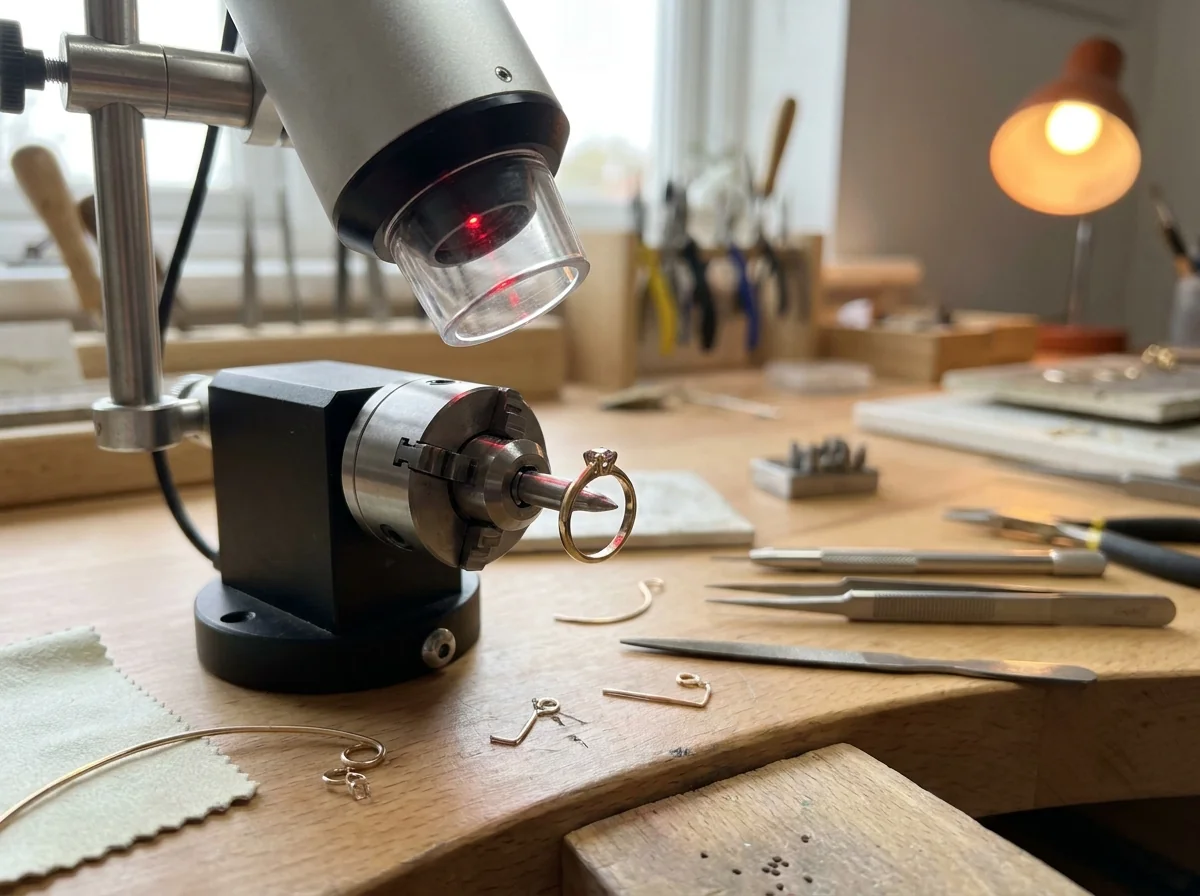
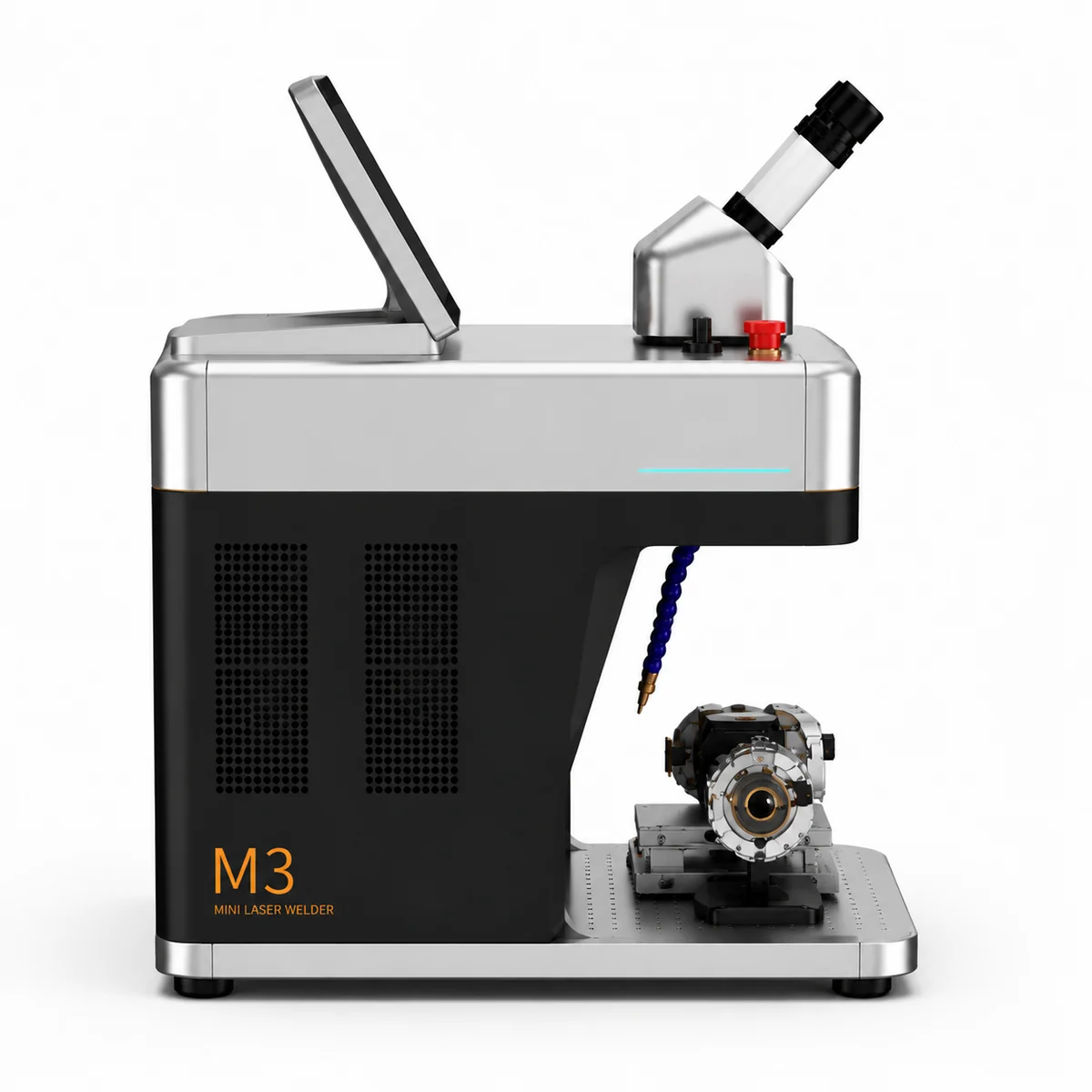
Rotary device
- Turns the ring under the beam so each part of the text reaches focus
- Engraves names and dates inside and outside a band
- Works on other curved surfaces too
Add it: Add it if you offer inside-ring engraving.
Price on requestChoosing an M3
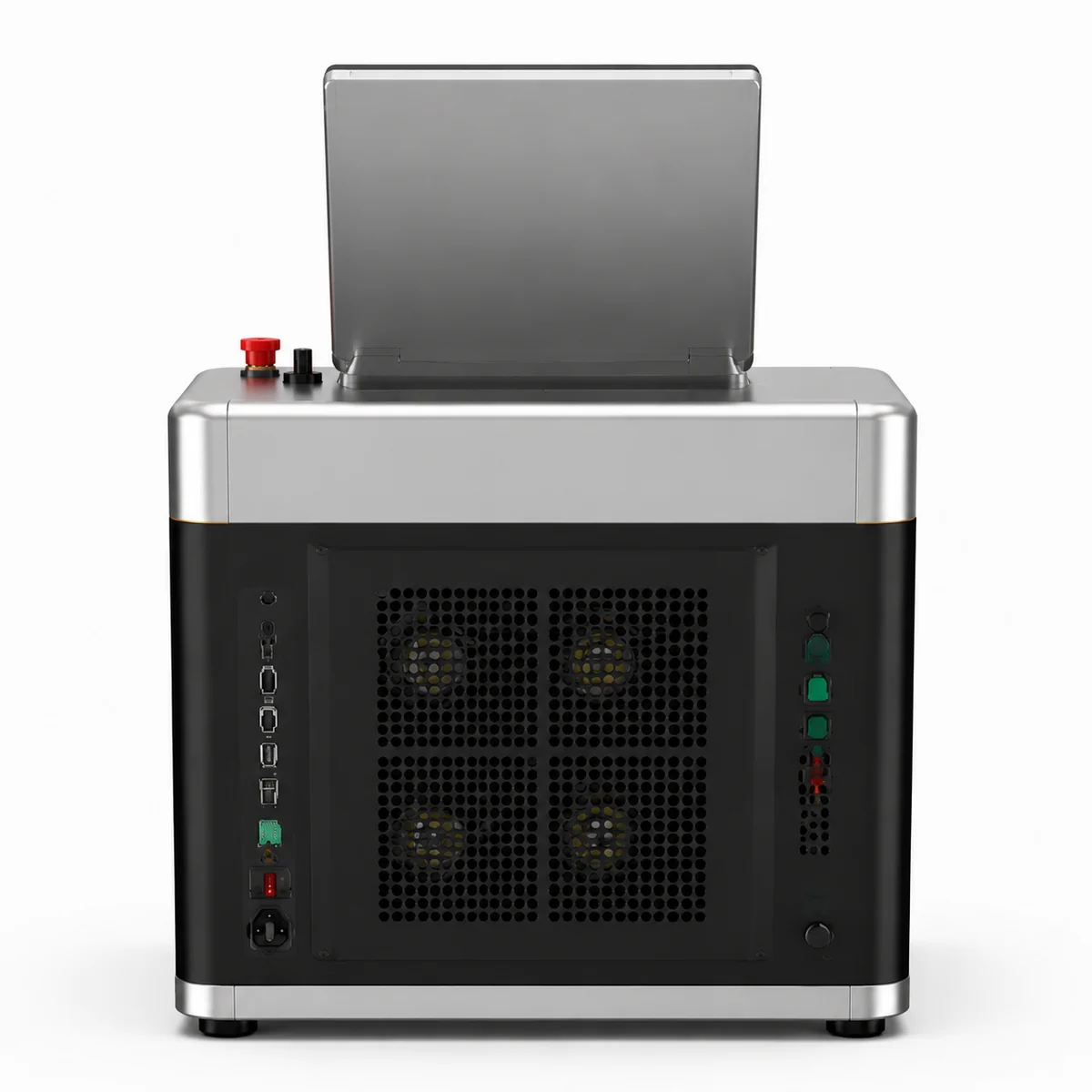
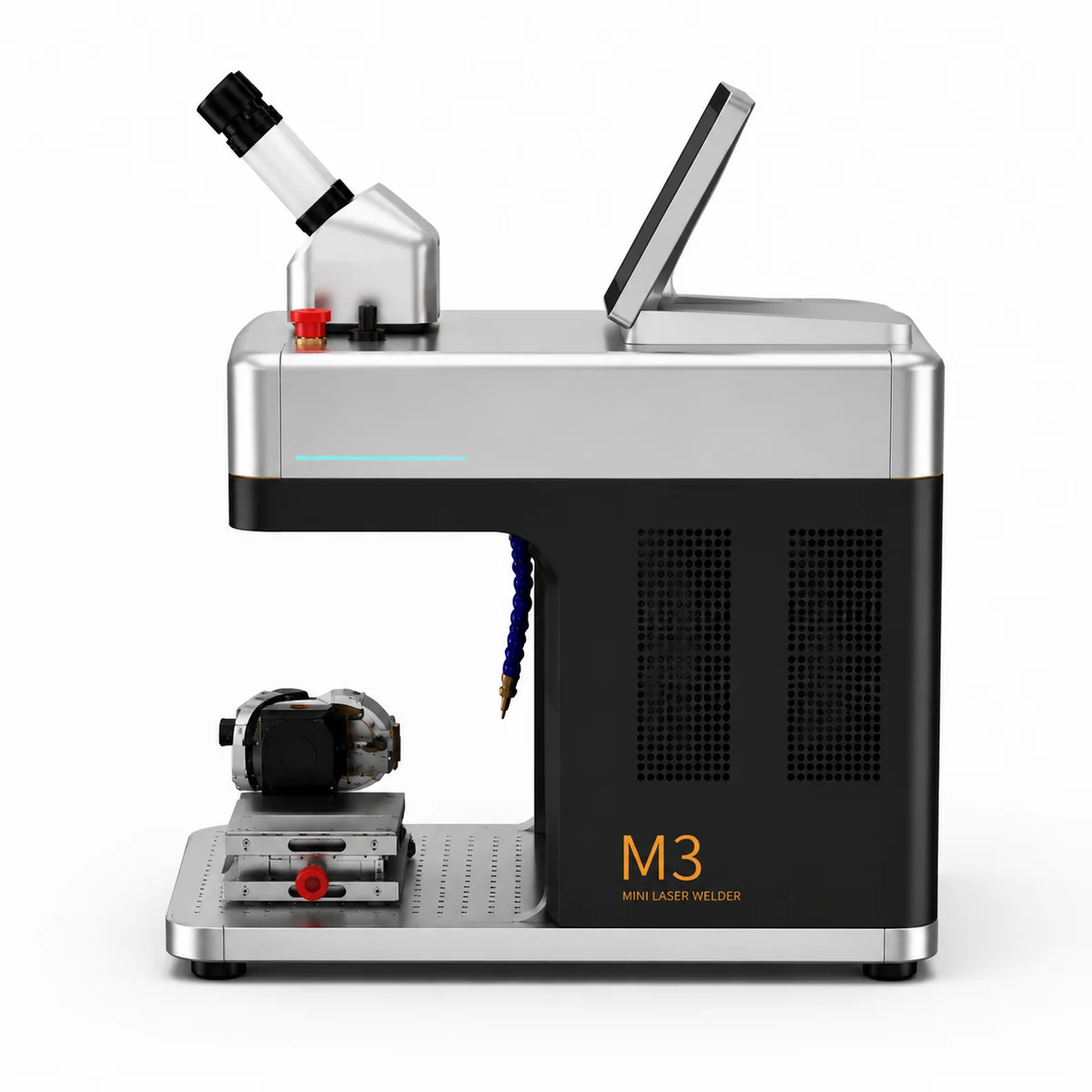
Every M3 carries the same welding side: a 120 W QCW fiber source with 1,200 W peak, the 10 inch Android touchscreen, the 10X microscope, the Sony 8 MP camera and air cooling. The one choice that sets the base jewelry laser welder price is the MOPA source for marking and cutting.
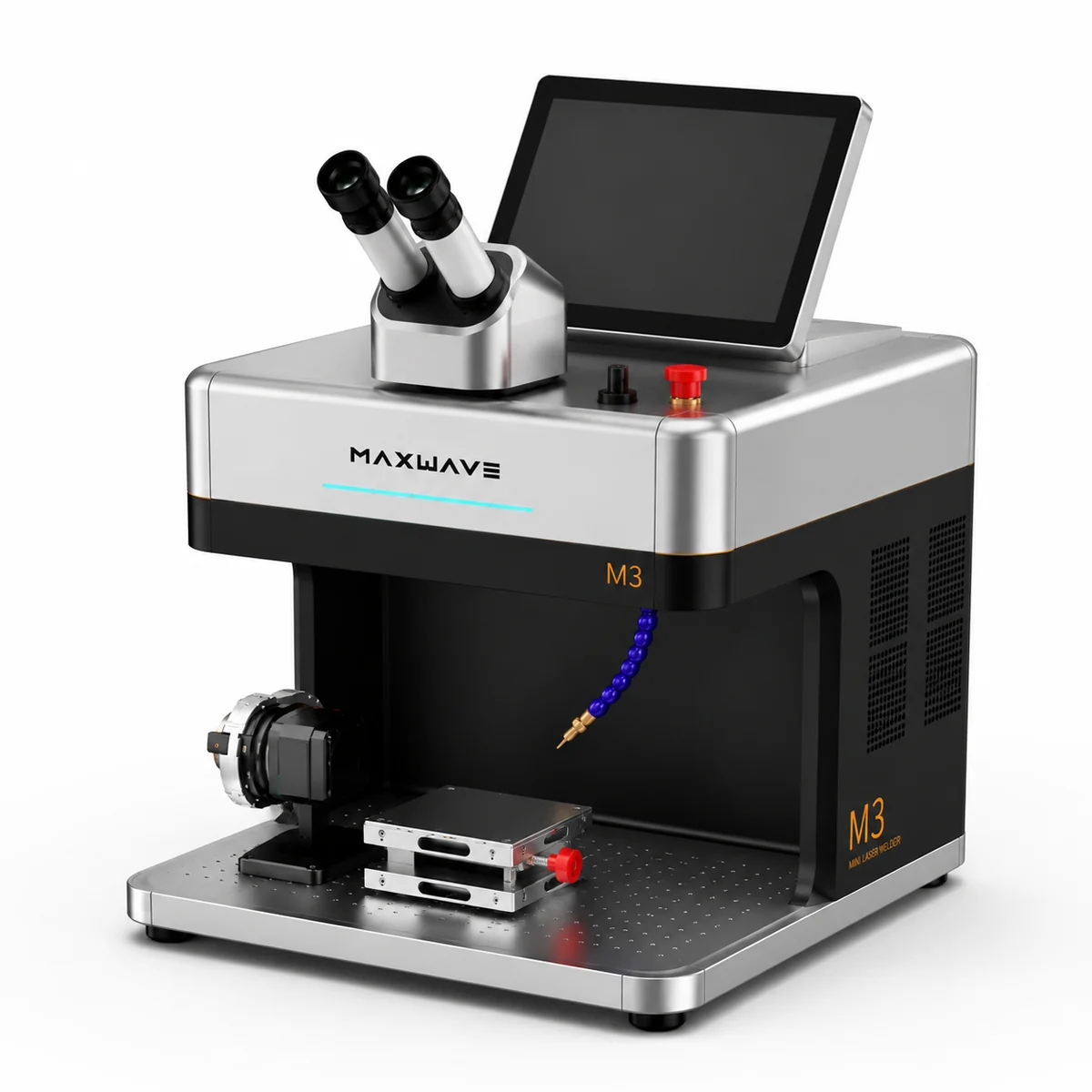
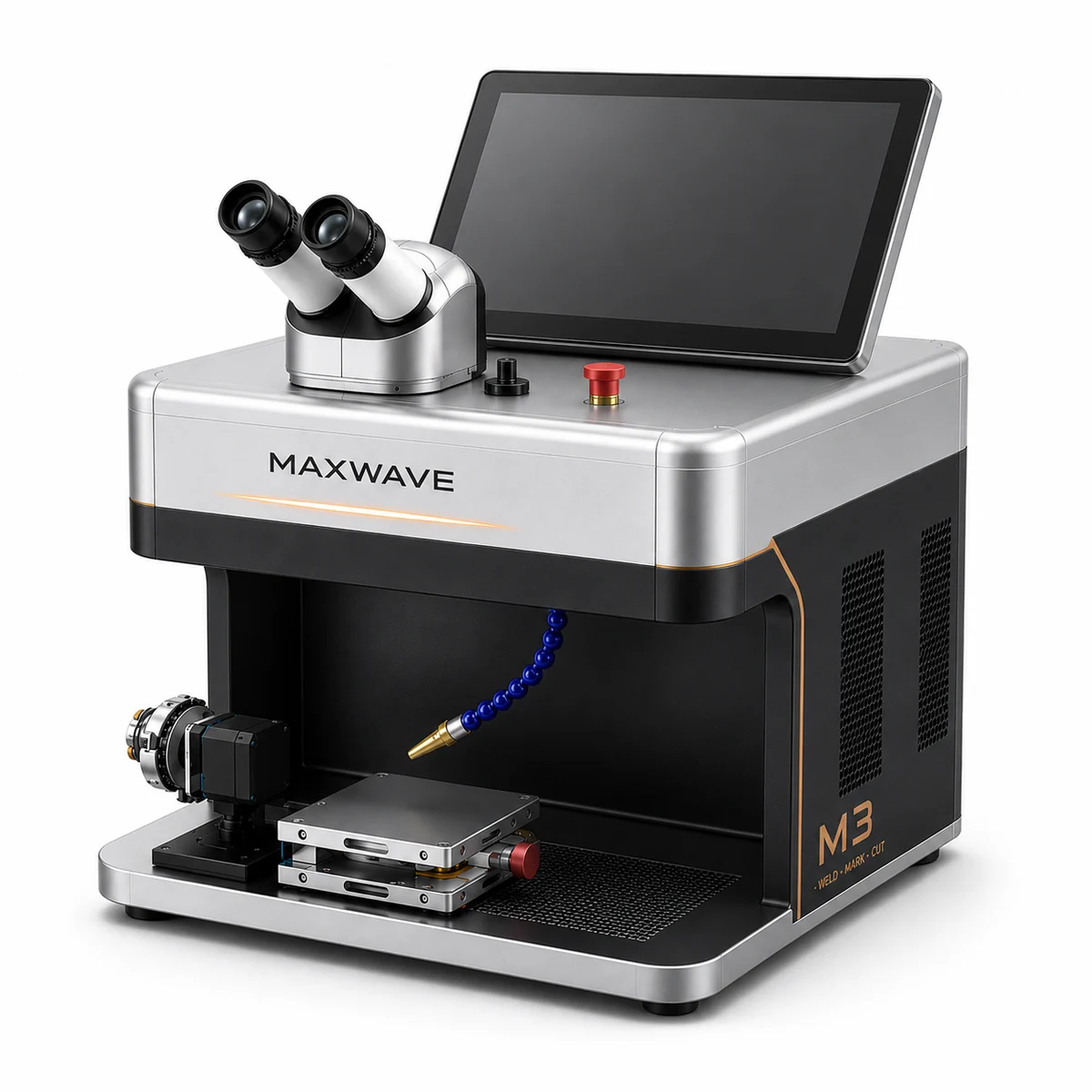
One purchase or three
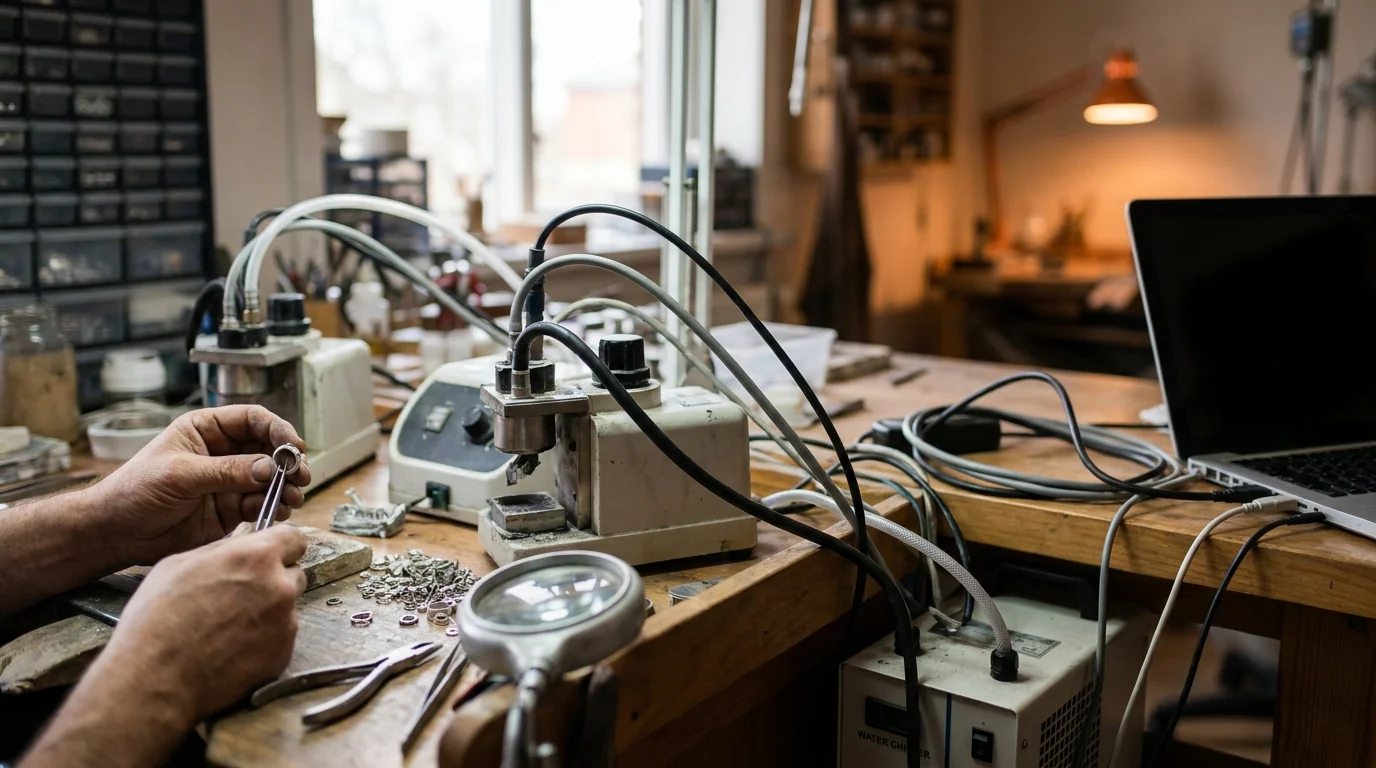
The multi-machine column is the set a jewelry bench typically buys to weld, mark and cut: a lamp-pumped YAG welder with its water cooling, a marking machine with its computer, and a cutting setup.
| Item | Multi-machine bench | One M3 |
|---|---|---|
| Welding | Separate welder Price on request | 120 W QCW (1,200 W peak), included |
| Marking and engraving | Separate marking machine Price on request | MOPA source, included |
| Thin sheet cutting | Separate cutting setup Price on request | Same MOPA source, included |
| Cooling | Chiller or water tank Price on request | Air cooled, included |
| Control | Computer for the marker Price on request | 10 inch touchscreen, included |
| Total | Price on request | M3 with 20 W MOPA Price on request |
Choosing is short: pick the MOPA tier from the work beyond welding, add accessories for the jobs that need them, and confirm on a sample of your own work before the quotation is final.
After the purchase the gap continues: three sockets, a lamp-pumped consumables set and three suppliers to call, against 2 kW from one socket, protective lenses and one supplier.
Configuration
The welding side is the same on every configuration and is not a choice: a repair counter buying for welding alone gets the same welding on 10 W as on 60 W.
All four tiers share the 70 × 70 mm field, 0.01 mm accuracy, 7000 mm/s galvo speed and M² 1.5. More MOPA power means more energy per pass, moving the machine from surface marking toward deep engraving and cutting.
Reading a quotation
An M3 jewelry laser welder price moves with two choices only: the MOPA tier and the accessories. Everything that decides welding quality is the same on every machine, so a lower tier never means a weaker welder.
Distributors who want the interface and logo in their own brand quote OEM, ODM or SKD cooperation separately.
| Item | Changes the price? |
|---|---|
| MOPA tier: 10, 20, 30 or 60 W | Yes |
| Rotary device, cutting fixture, dust extraction | Yes, per accessory |
| Welding source, 120 W QCW (1,200 W peak) | No, fixed on every M3 |
| 10 inch touchscreen, microscope, camera | No, standard |
| Air cooling, 2 kW single phase supply | No, standard |
| Mini ultrasonic cleaner | No, included free |
10 W MOPA
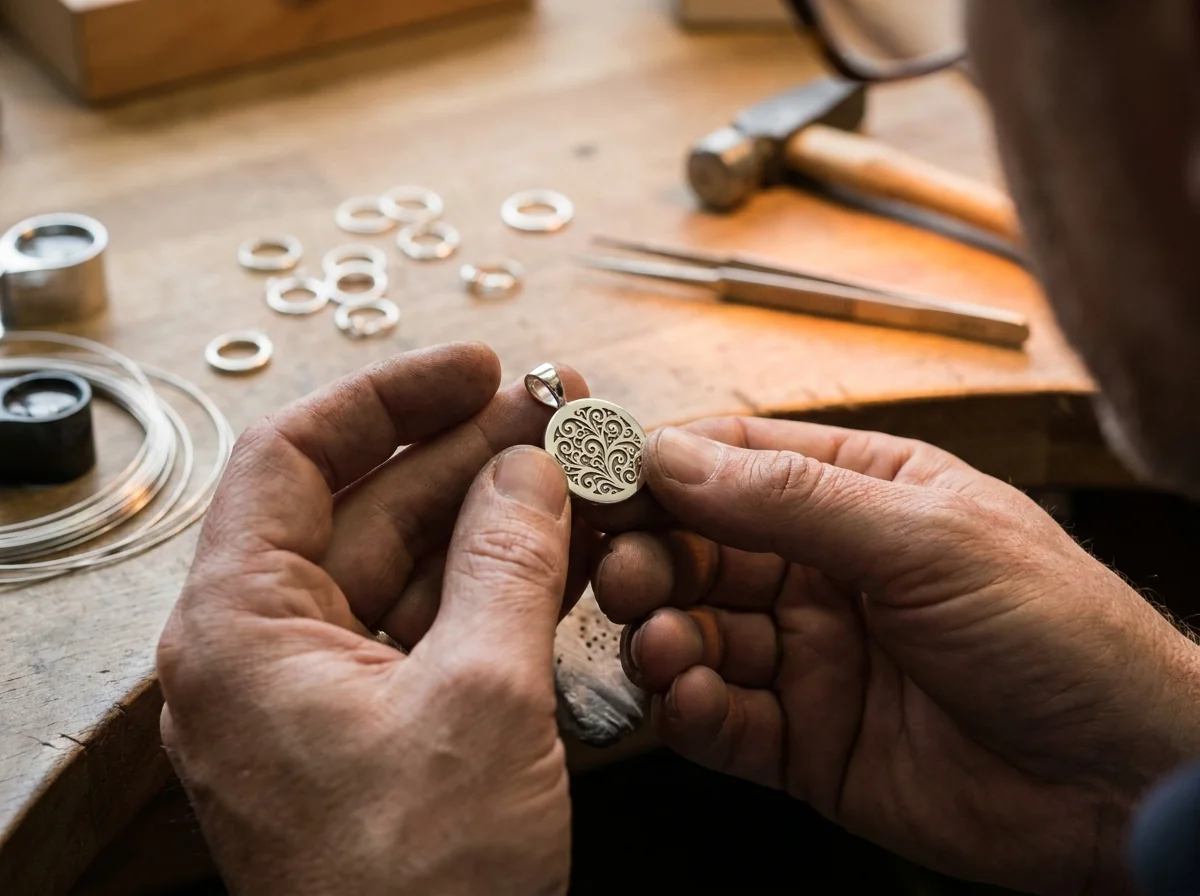
For the jewelry store or independent repair shop whose day is welding, and who adds engraving at the counter: a name inside a band, a date on a pendant, a shop logo, a serial on a tag.
The 10 W source handles surface marks on the pieces that come across a repair counter, and it is the tier where a buyer spends least beyond the welding, which stays exactly the same as on the 60 W machine.
M3 with 10 W MOPA Price on request
20 W MOPA
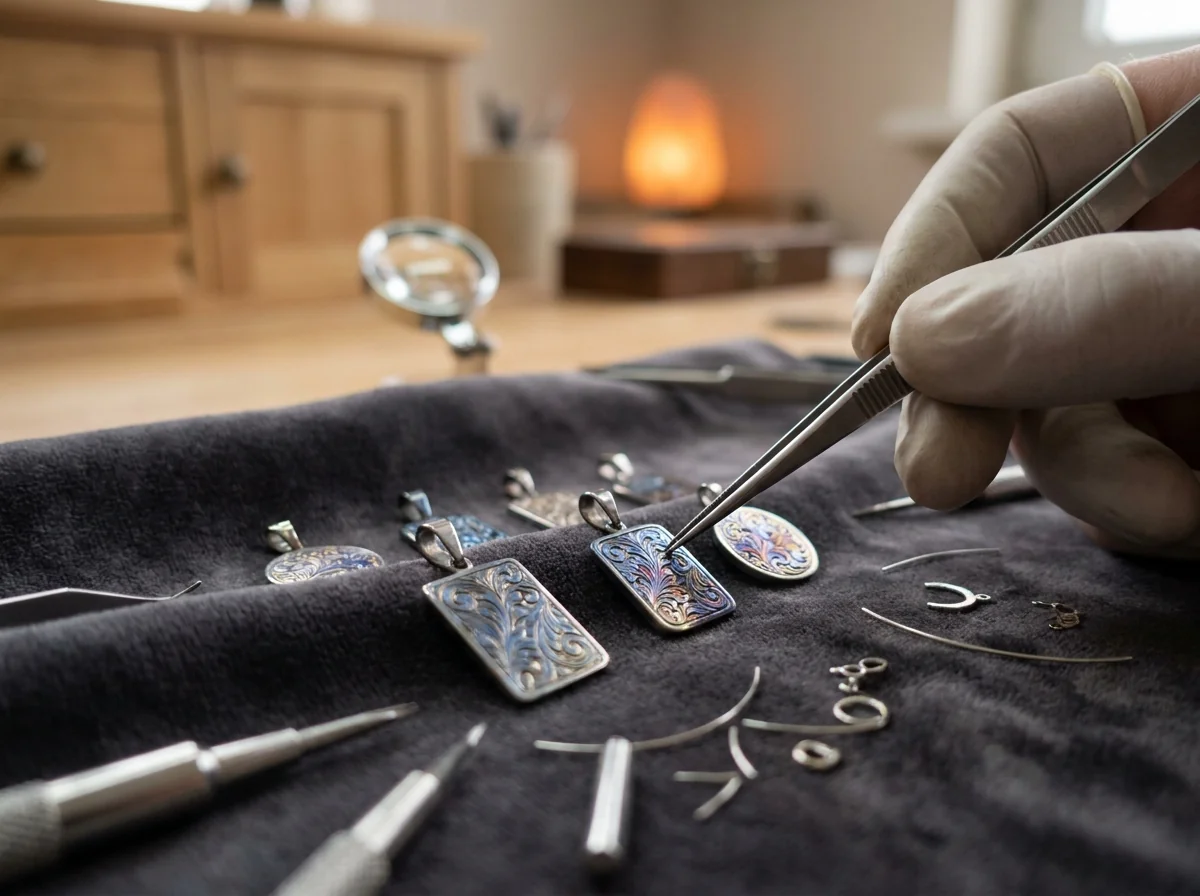
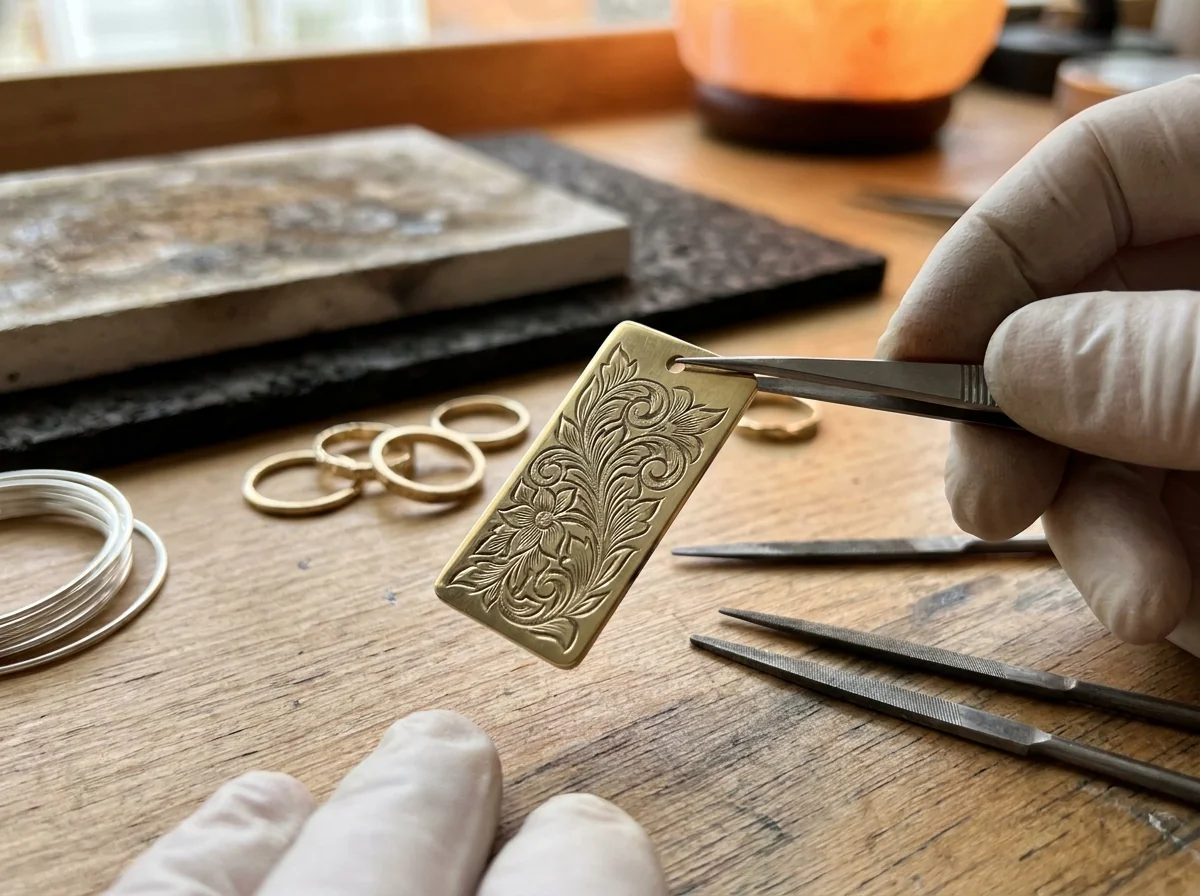
For the studio whose engraving is a product in its own right. Engraving goes deeper for pieces that should feel cut into the metal, and the adjustable pulse width gives color on stainless steel and brass and black on anodized aluminum.
Engraving here is sold as a product in its own right, so depth that survives polishing and color that customers can choose are what the studio pays for.
M3 with 20 W MOPA Price on request
30 W MOPA
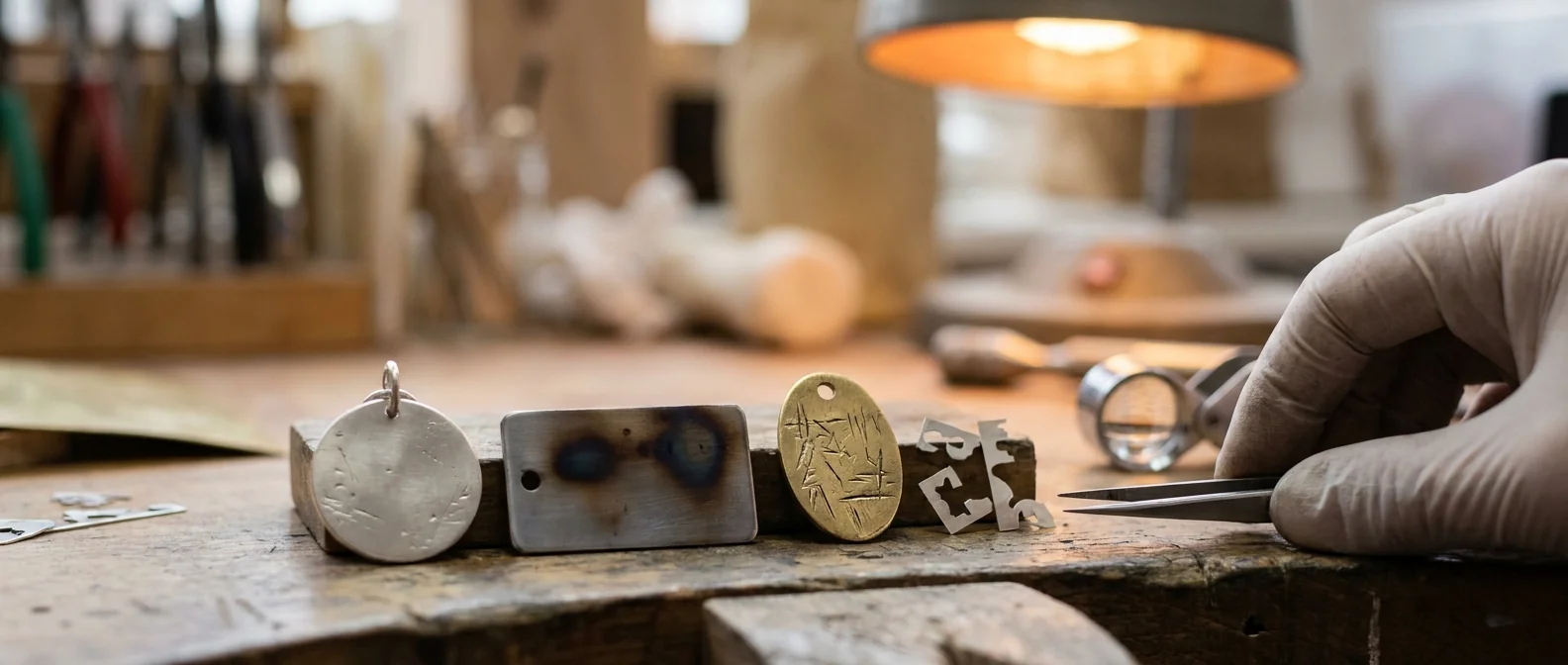
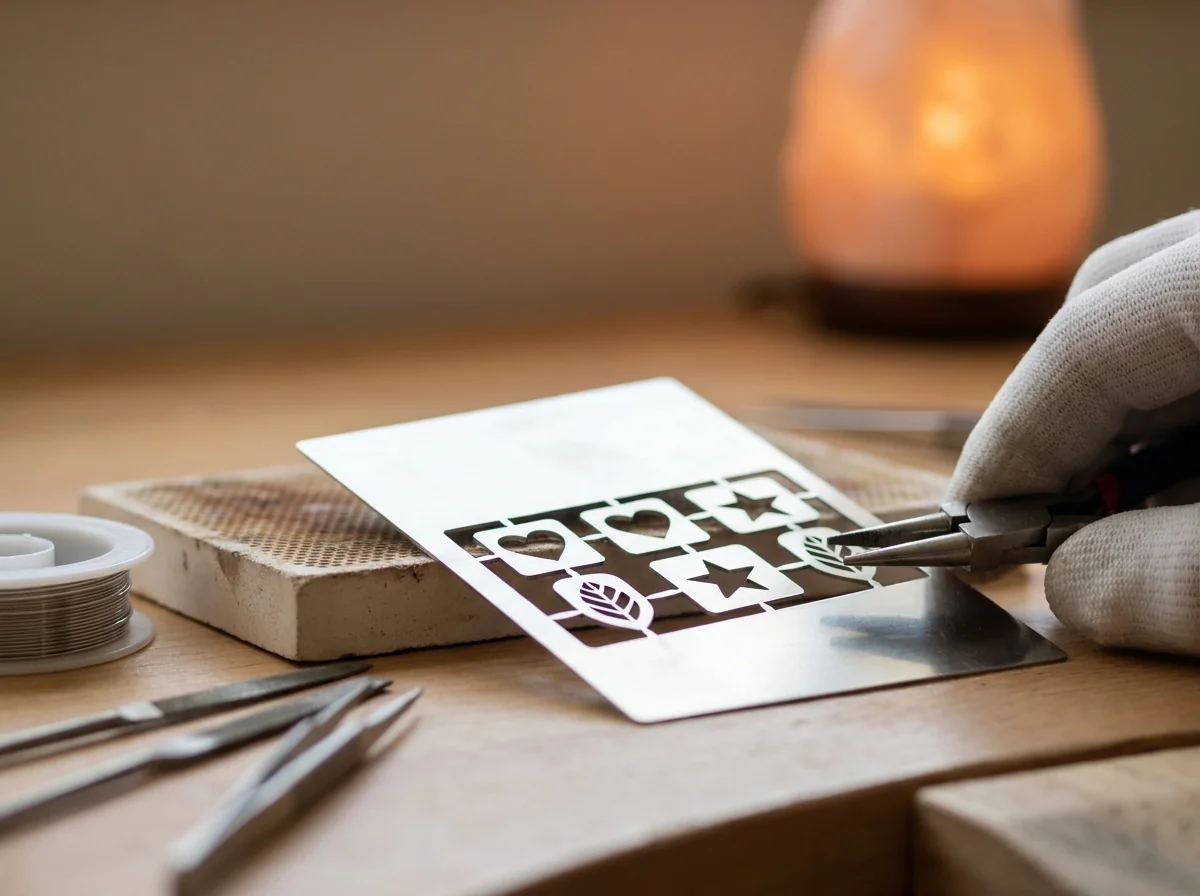
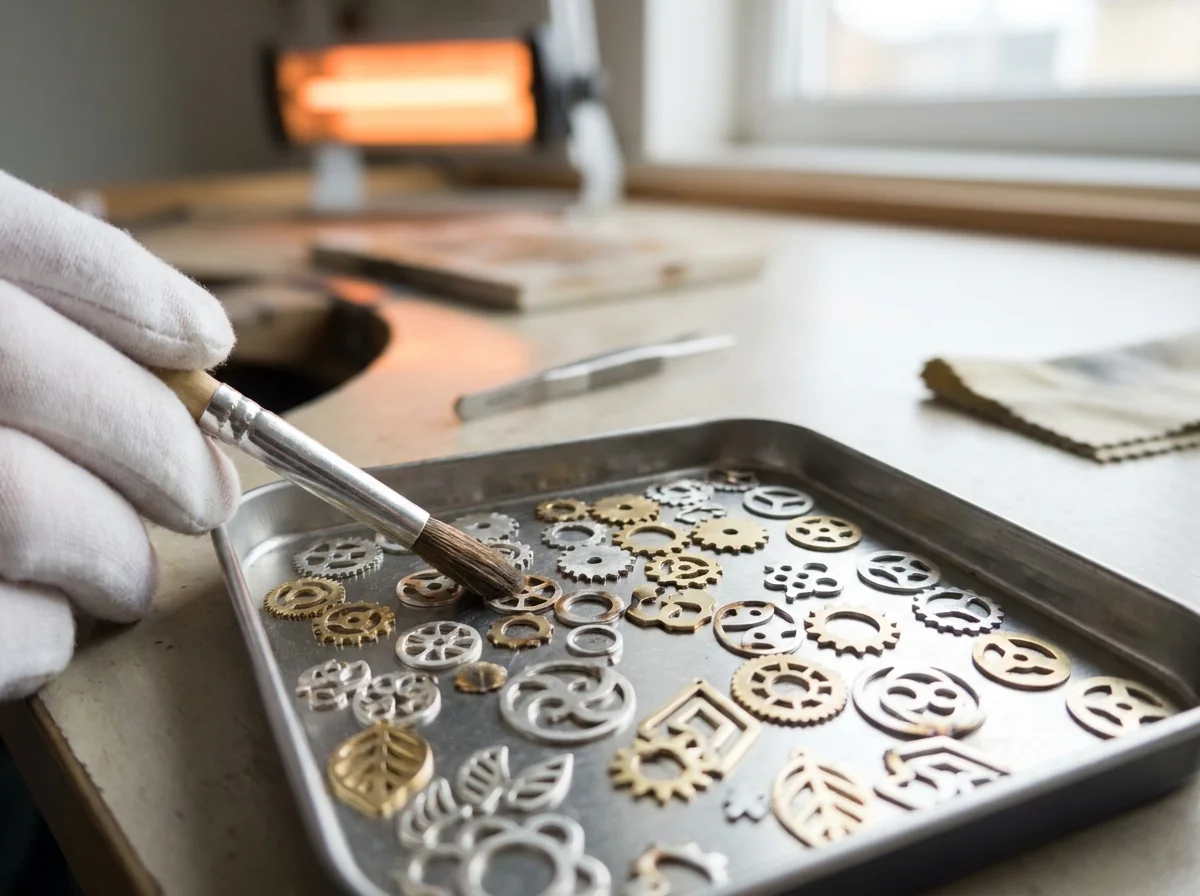
For the studio or small workshop that cuts its own name necklaces, tags, letter pieces, small metal graphics and thin sheet outlines as a regular part of the week, instead of buying blanks or sending the cutting out.
Cutting in house shortens the time from order to finished piece, because the cut blank goes straight to engraving and welding on the same machine.
M3 with 30 W MOPA Price on request
60 W MOPA
For the workshop, sample room or production-minded studio where cutting and deep engraving run through most of the day. It is the tier for volume on the MOPA side, chosen by how much of that work the bench does in a day.
The welding side does not change, so a sample room can still weld findings and repairs between cutting runs without a second machine.
M3 with 60 W MOPA Price on request
Add for the job
Three accessories add jobs to the M3. Each is the standard configuration for its job, and none is needed for welding.
Add it: Add it if you offer inside-ring engraving.
Price on request
Add it: Add it with dust extraction if you cut regularly.
Price on request
Add it: Add it with the cutting fixture for any cutting day.
Price on requestWhich bench needs what
| Your bench | Rotary device | Cutting fixture | Dust extraction |
|---|---|---|---|
| Welds and engraves flat surfaces | — | — | — |
| Engraves rings inside or outside | Add | — | — |
| Cuts thin sheet | — | Add | Add |
| Engraves rings and cuts | Add | Add | Add |
A repair counter that only welds and marks flat pieces buys none of the three.
Running cost
The protective lens sits between the laser optics and the work. Spatter and vapor rising from the work point hit the lens instead of the focusing optics; when it is marked or clouded, the operator replaces it and the beam path behind it is untouched.
Protective lens Price on request
Why the list stays short
From inquiry to dispatch
The process is built around your own work: the quotation follows a test on your pieces, not a guess from a brochure.
Tell us the metals you weld, what you engrave and cut, and how much of each in a normal week. A photo of a typical piece helps.
Send a piece or two. We run them on an M3, return them with the welding and marking settings written down, and confirm the MOPA tier and accessories with you.
You receive a quotation for the confirmed configuration, with the accessories listed line by line.
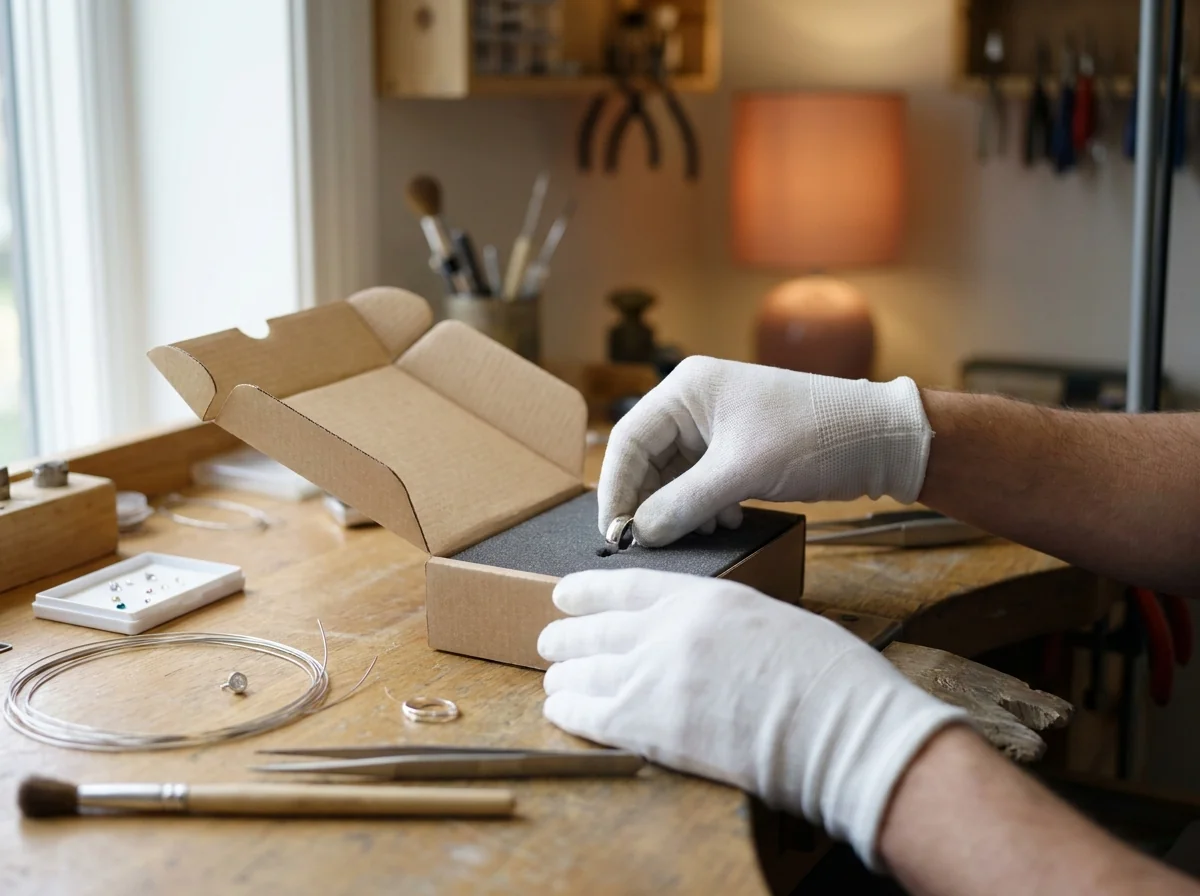
We photograph and film your machine before it leaves; it ships through freight forwarders we work with regularly, with customs clearance handled.

What arrives
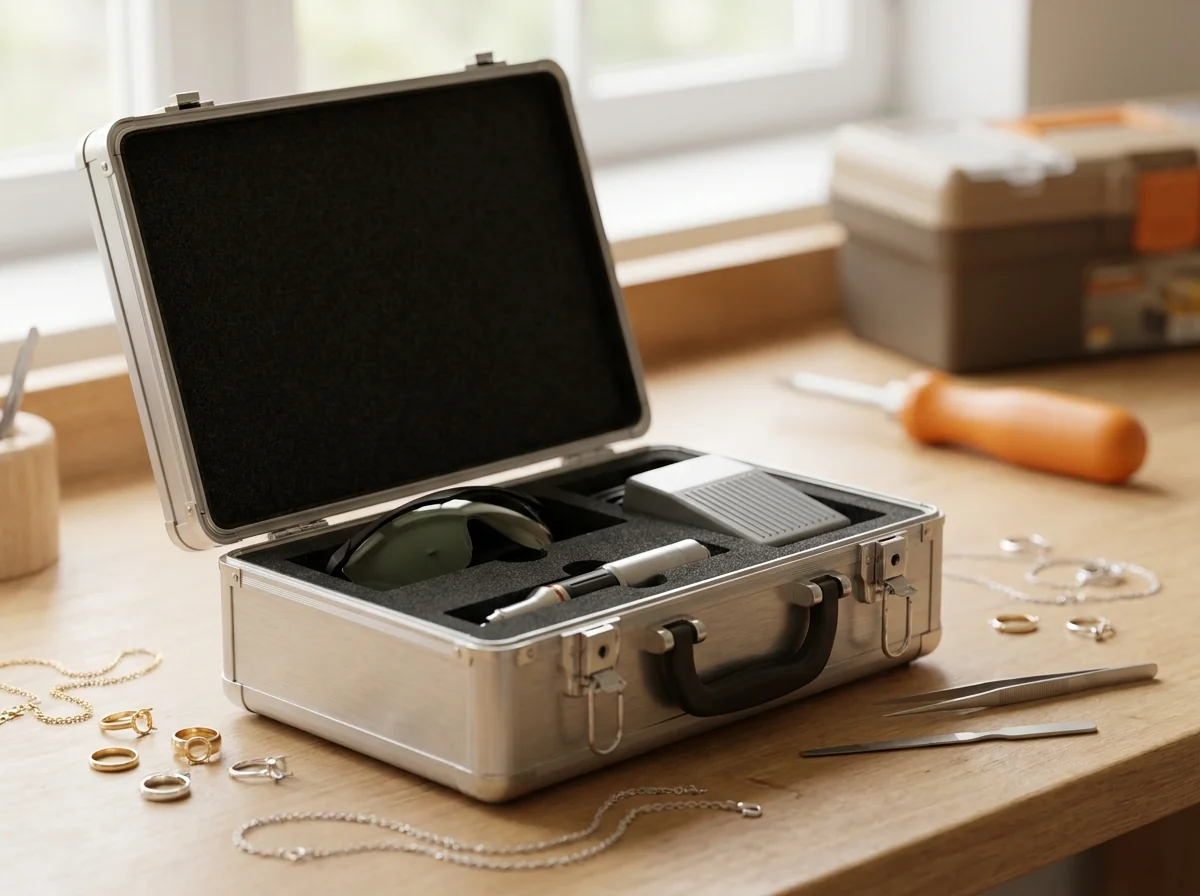
Everything below arrives in one crate, so installation starts with one delivery and one set of documents.
After you pay
Every M3 is built and delivered under seven systems: Product R&D, Supply, Key Parameters, Quality Control, Packaging, Transport and After-sales Service. Three of them decide what you experience once you have paid.
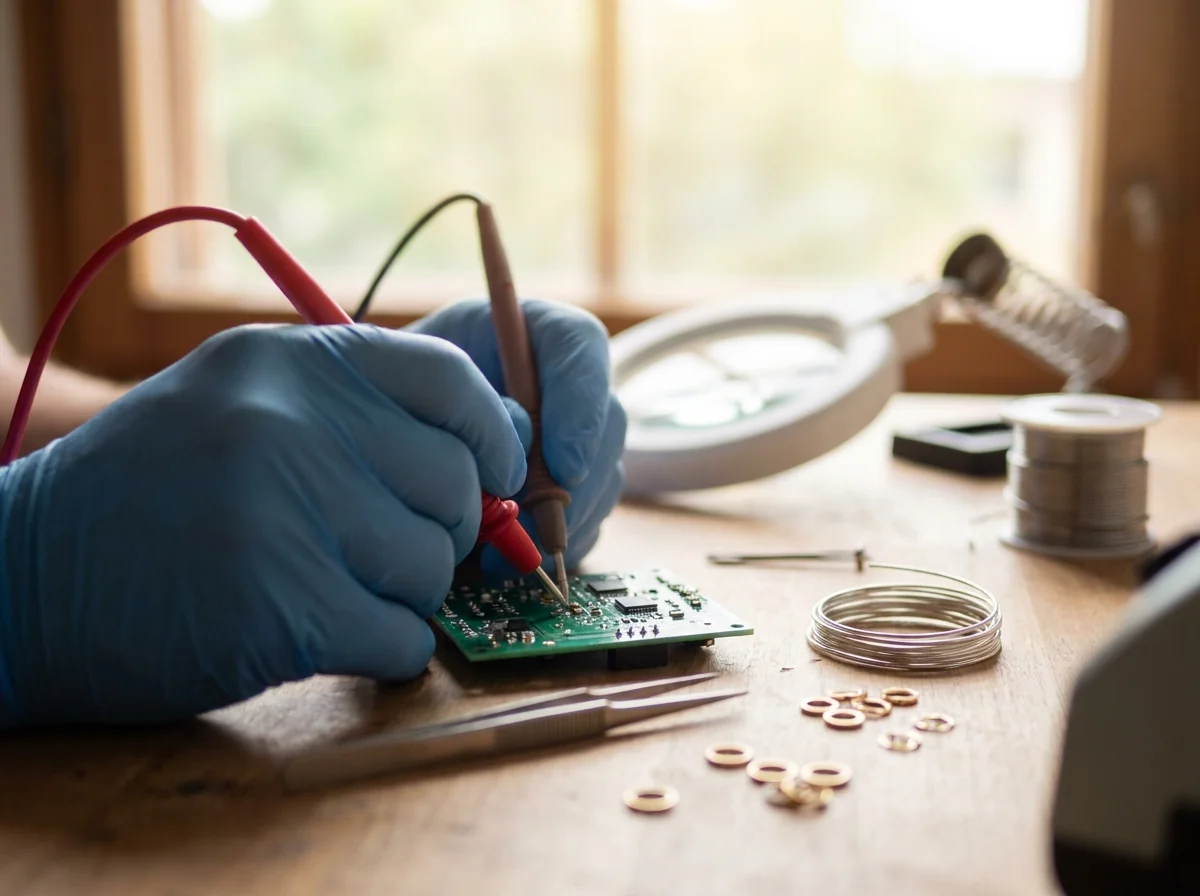 On arrival
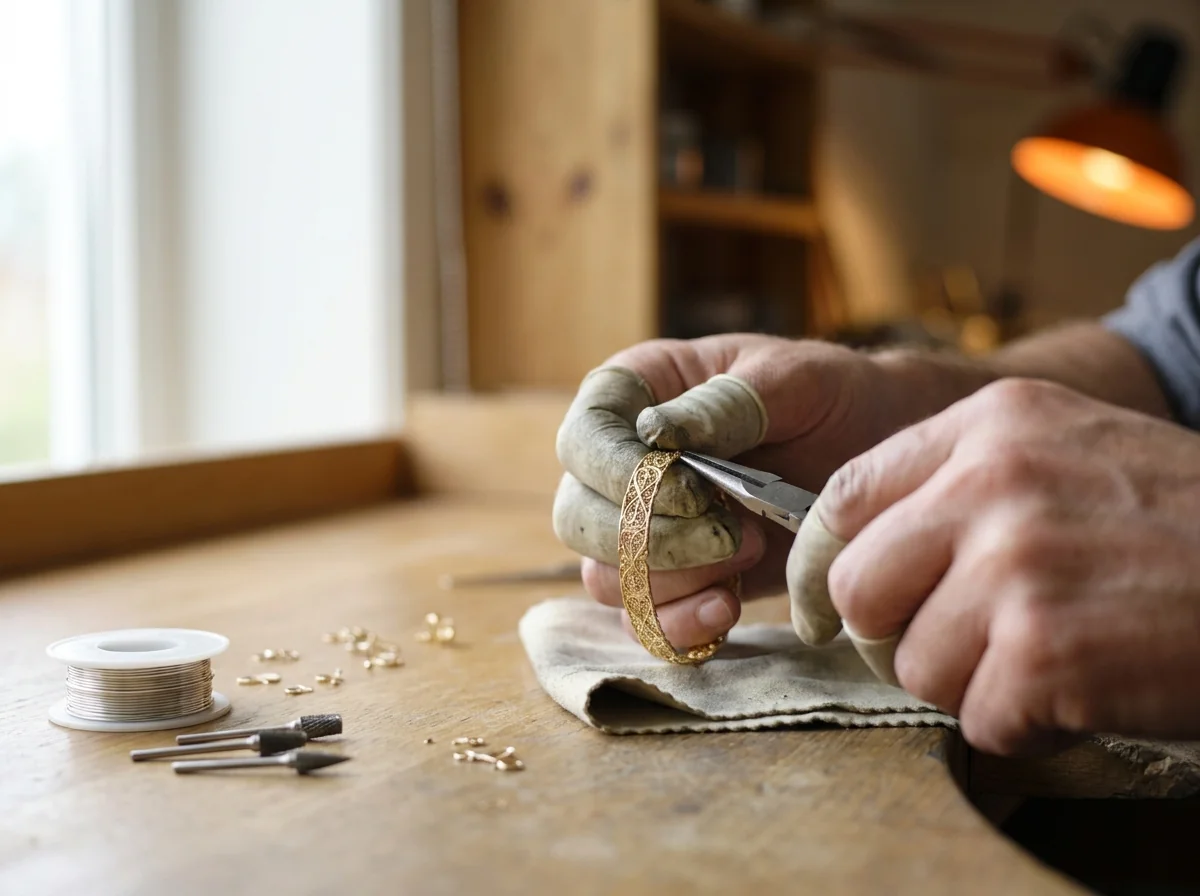 Dispatch to your door
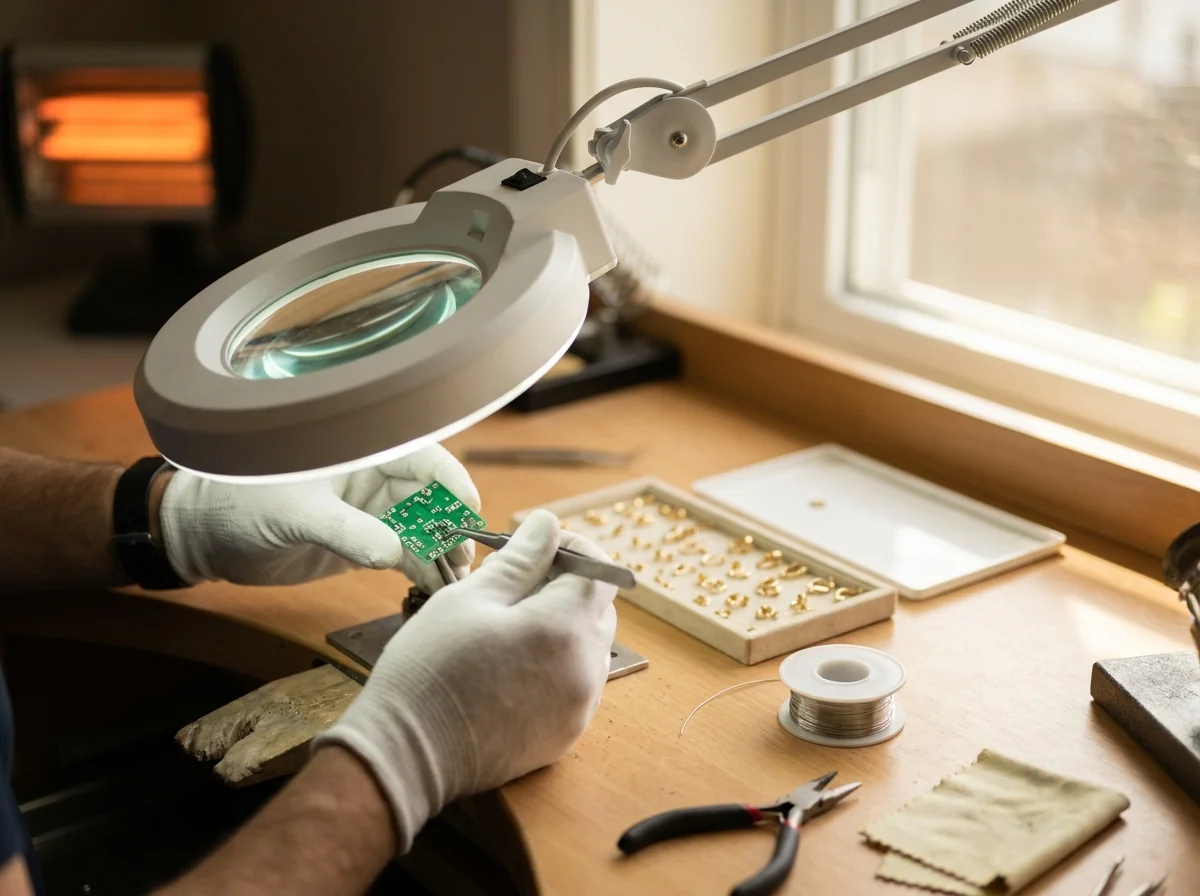 Working life
Product R&D turns field problems into changes, such as the voltage regulation added after unstable energy failed bracelet welds in Istanbul in 2021. Supply specifies German Infineon IGBTs and quartz lenses.
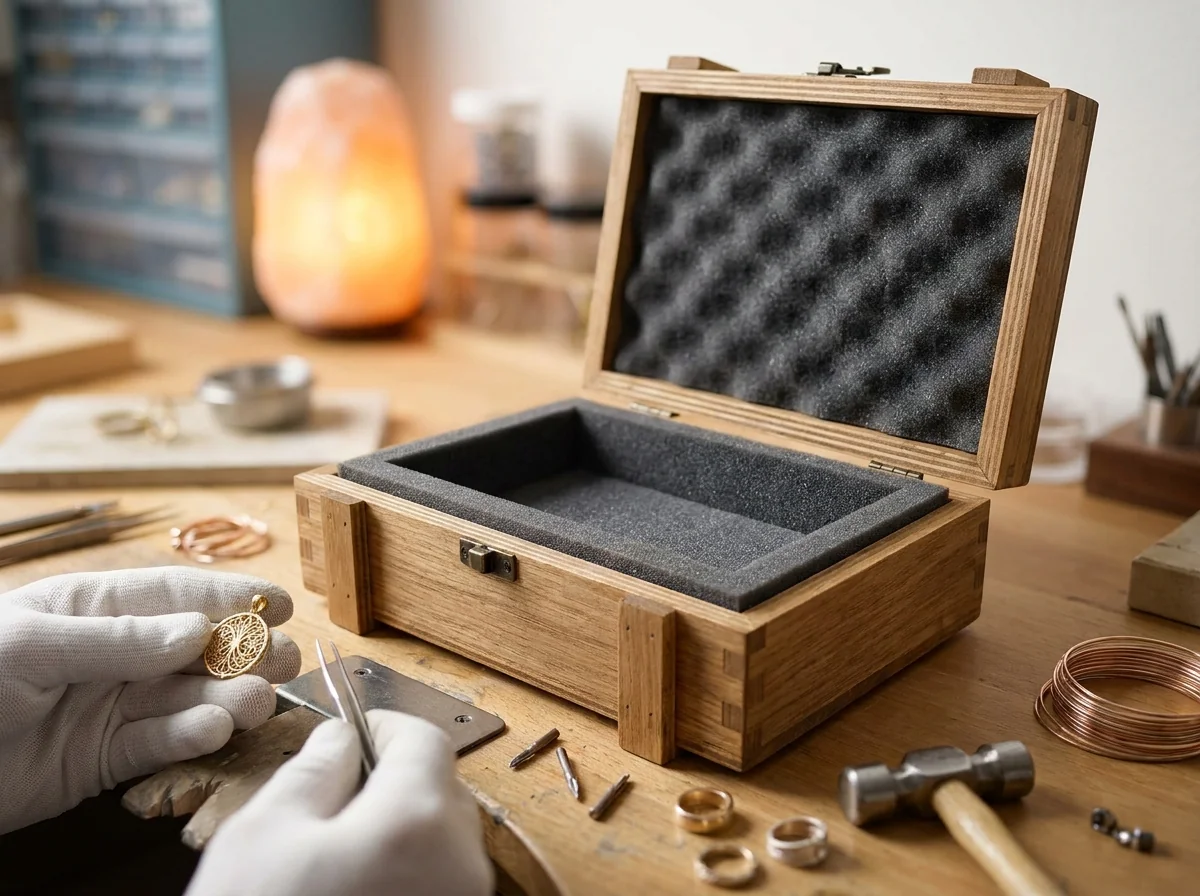
Key Parameters fixes the specification each machine is inspected against. Packaging is the metal screen case and foam above. Distributors can build these systems into their own offer through OEM, ODM or SKD.
Quotation
Send the metals you work, the jobs your bench does in a normal week, and a piece or two you weld, engrave or cut. We run them on an M3, return them with the settings written down, and quote the MOPA tier and accessories your work needs.
Distributors can ask for OEM, ODM or SKD details in the same message.